
Top Protein Supplements for Men
A comprehensive guide to understanding protein supplements, comparing options, and making informed decisions about your nutrition choices. Explore detailed reviews and insights from our editorial team.
The information on this site is for educational purposes only and does not constitute medical advice. Always consult a qualified healthcare professional before making health decisions.
Filter by Category
Featured Protein Supplements
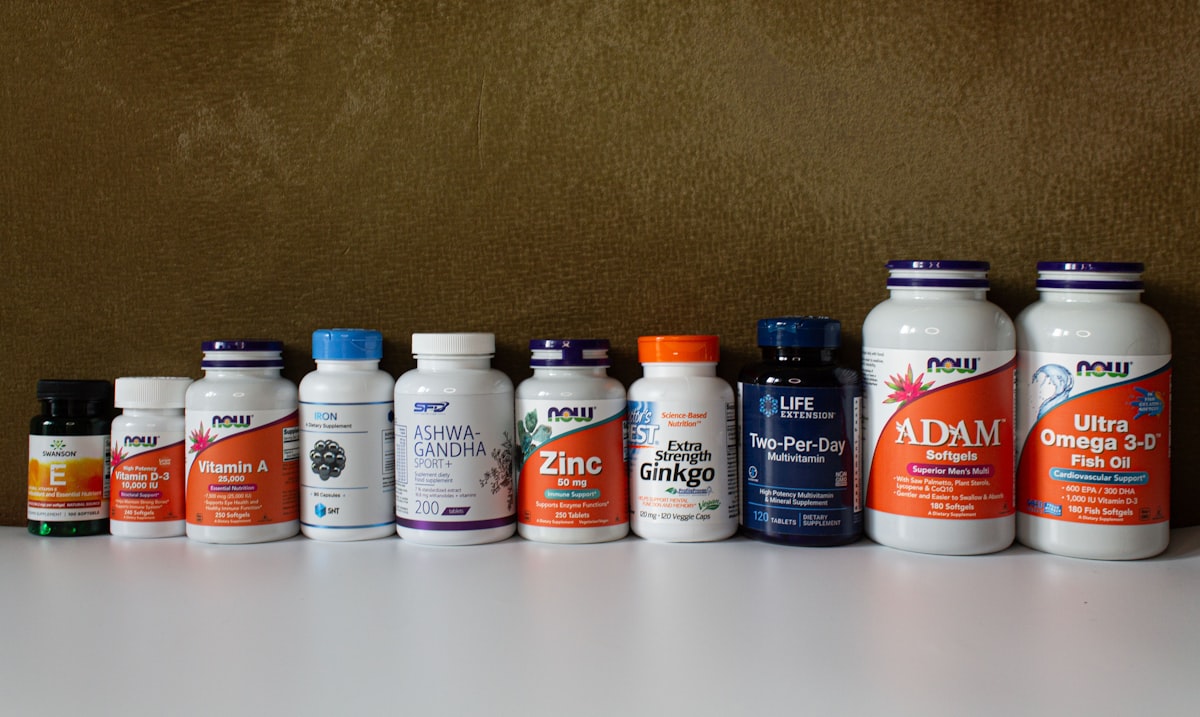
Premium Whey Protein Isolate
A comprehensive breakdown of high-quality whey protein isolates designed for muscle recovery and growth. Learn about microfiltration processes, amino acid profiles, and how isolates compare to concentrates for lean muscle development.
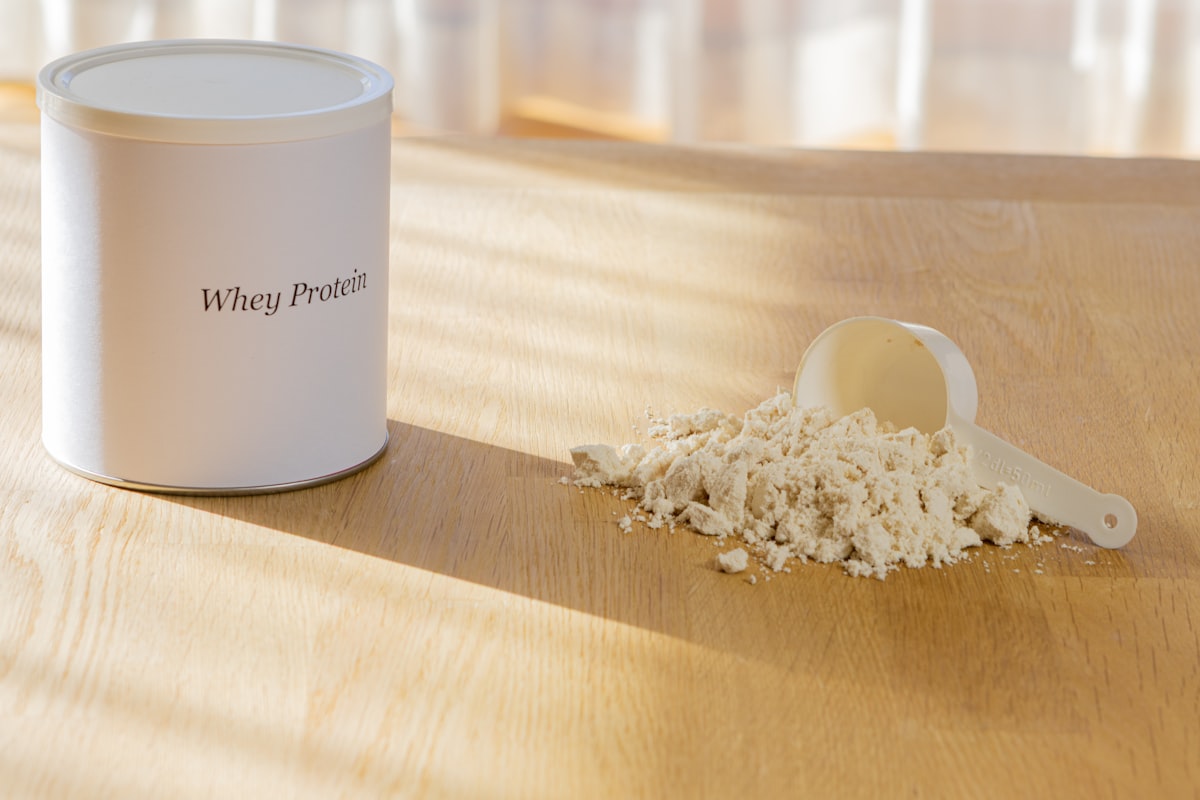
Plant-Based Protein Powders
Explore vegetarian and vegan protein options including pea, hemp, rice, and soy proteins. This guide covers complete amino acid profiles, bioavailability considerations, and how plant-based options support muscle synthesis for men choosing alternative protein sources.
Casein Protein Powders
Detailed analysis of slow-release casein proteins ideal for overnight muscle recovery. Compare micellar casein and casein hydrolysates, understand digestion rates, and discover how casein fits into comprehensive protein supplementation strategies for serious athletes.

Mass Gainer Supplements
In-depth exploration of high-calorie mass gainer formulas designed for hardgainers and athletes seeking rapid muscle development. Review carbohydrate sources, protein-to-calorie ratios, and guidance on selecting mass gainers based on individual dietary needs and training goals.
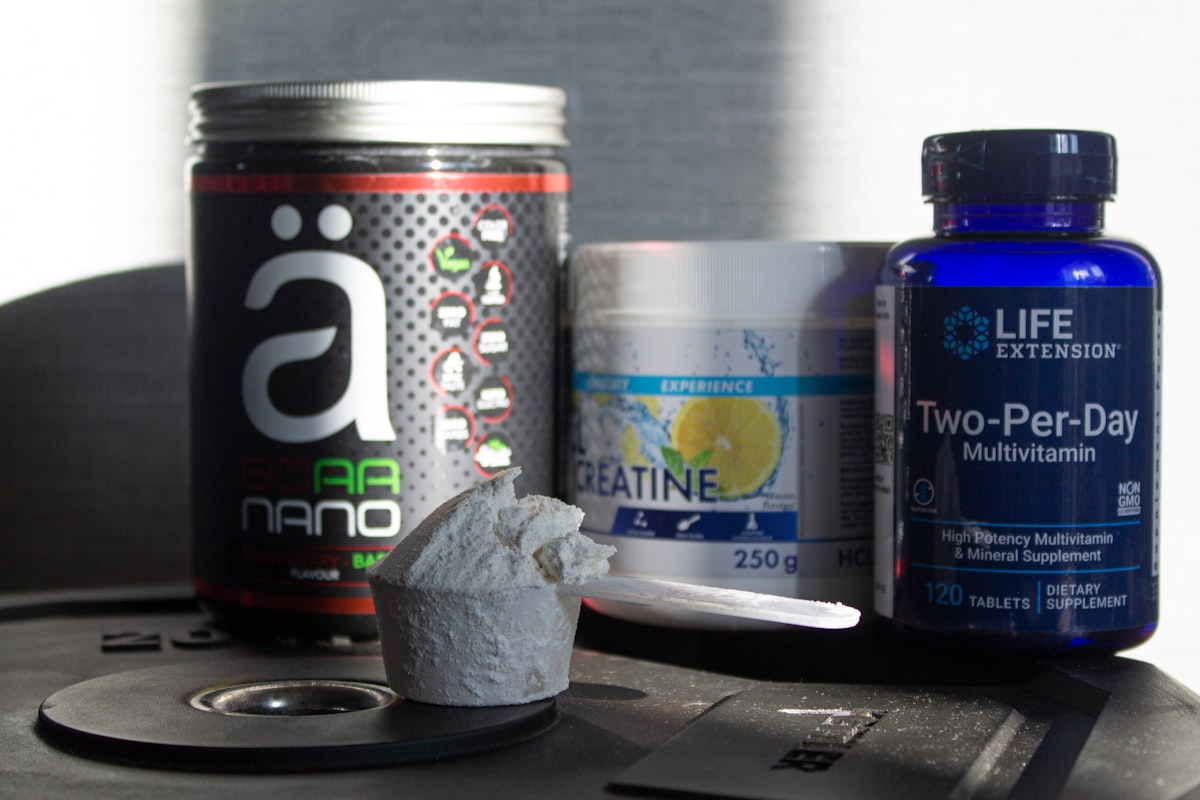
Branched-Chain Amino Acids
Comprehensive guide to BCAAs and essential amino acid supplements for muscle preservation and workout performance. Understand leucine, isoleucine, and valine ratios, timing strategies, and how amino acid supplements complement whole protein intake for optimized training results.
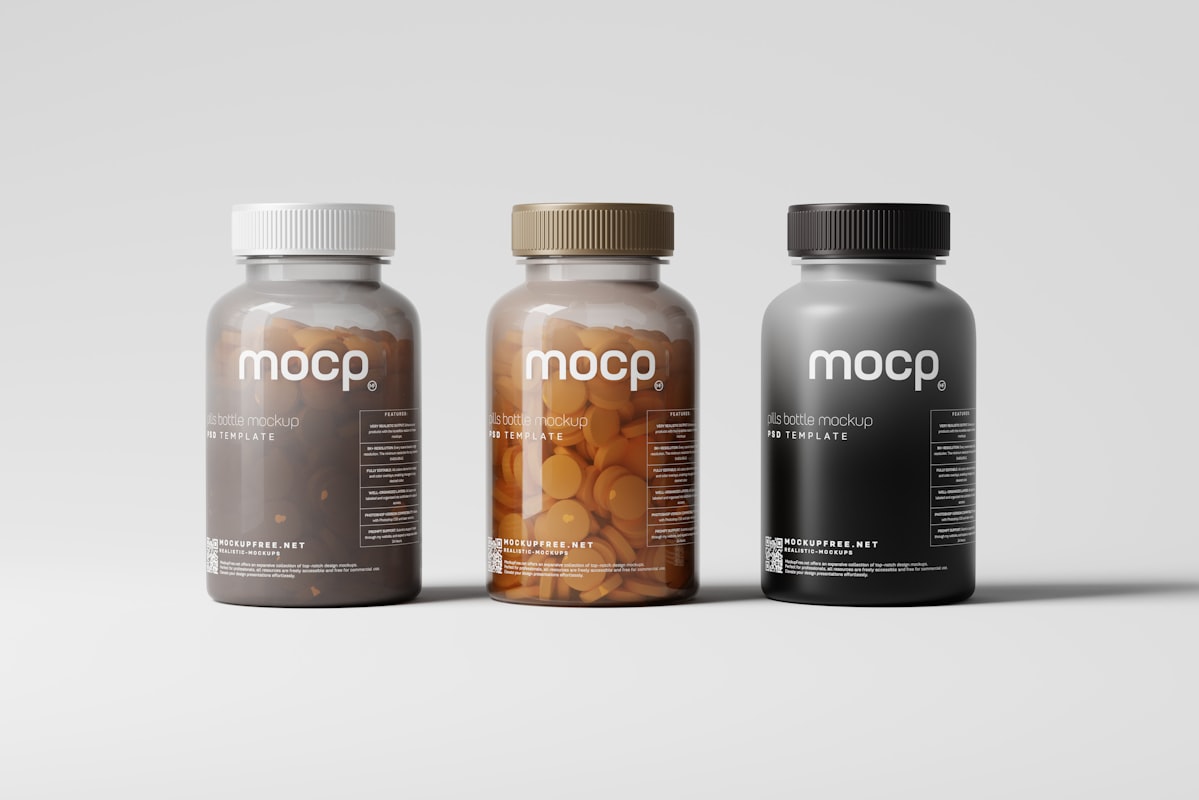
Protein Blend Formulas
Explore multi-source protein blends combining whey, casein, and plant proteins for sustained amino acid delivery. Analysis of blend advantages, digestion timing, and how combination formulas offer flexibility for different training phases and daily protein requirements.
Comparison Categories
Protein Quality & Purity
Detailed analysis of protein source quality, processing methods including microfiltration and ion-exchange, amino acid composition, and testing standards. Learn how to evaluate protein purity and identify supplements that deliver promised amino acid profiles.
Performance & Results
Examination of how different protein supplements support muscle recovery, strength gains, and body composition. Reviews cover absorption rates, bioavailability metrics, and user feedback on effectiveness for various training goals and athletic pursuits.
Taste & Mixability
Comprehensive reviews of flavor profiles, mixing consistency, and overall palatability across leading brands. Discover which supplements shake smoothly, taste pleasant across multiple flavors, and maintain quality when mixed with different liquids or incorporated into recipes.
Value & Cost Analysis
Detailed breakdown of cost-per-serving, pricing structures, and value-for-money assessments across different brands. Compare bulk purchasing options, subscription benefits, and hidden costs to identify supplements offering the best nutritional value without compromising quality.
How to Choose Your Protein Supplement
Identify Your Goals
Determine whether your focus is muscle building, lean recovery, weight management, or general fitness. Your specific training objectives will guide supplement selection—athletes pursuing different goals benefit from different protein types and timing strategies.
Assess Protein Source
Choose between whey, casein, plant-based, or blended proteins based on your dietary preferences, digestion tolerance, and nutritional goals. Consider processing methods, amino acid profiles, and how each source aligns with your overall nutrition plan.
Check Quality Standards
Review testing procedures, ingredient transparency, and nutritional labeling accuracy. Research brand reputation, customer reviews, and whether products contain unwanted additives or allergens relevant to your dietary restrictions.
Compare Value
Calculate cost-per-serving, evaluate bulk purchase discounts, and assess overall value. Consider both immediate pricing and long-term affordability to select supplements that fit your budget while maintaining nutritional quality and effectiveness.

Key Considerations
- Amino acid profile: Look for complete essential amino acids with adequate leucine content
- Digestion speed: Fast-absorbing whey for post-workout, slower casein for sustained release
- Added ingredients: Evaluate carbs, fats, and supplemental compounds
- Taste & mixability: Palatability affects consistency and long-term adherence
- Allergen information: Verify absence of soy, dairy, gluten if needed
Frequently Asked Questions
What is the difference between whey isolate and concentrate?
Whey protein isolate undergoes additional processing to remove lactose and fat, resulting in higher protein content per serving (typically 90%+) with fewer carbohydrates. Concentrate contains 70-80% protein with more lactose. Isolate costs more but offers purity advantages, while concentrate provides better taste and value for most users.
How much protein do men need daily?
General recommendations suggest 0.8-1.0 grams per pound of body weight for muscle-building athletes, or approximately 1.6-2.2 grams per kilogram. Sedentary individuals need less (0.8g per kg), while training men benefit from higher intake distributed throughout the day in protein-rich meals and supplements.
When is the best time to consume protein supplements?
Post-workout timing within 1-2 hours of training supports muscle recovery and synthesis, particularly with fast-digesting whey protein. However, total daily protein intake matters more than timing. Spread protein across meals and supplements throughout the day to maintain constant amino acid availability for muscle building.
Can plant-based proteins build muscle as effectively as whey?
Quality plant-based proteins containing all essential amino acids can support muscle growth effectively. However, individual plant sources may require larger serving sizes for equivalent leucine content. Many athletes combine multiple plant sources or use blended formulas to achieve complete amino acid profiles comparable to animal-based options.
Should I use a mass gainer or whey protein for muscle building?
Mass gainers provide concentrated calories and protein in single servings, ideal for individuals struggling to consume enough food. Whey protein requires additional carbs and calories from food but offers more control over nutritional composition. Choice depends on your appetite capacity, dietary goals, and how easily you reach caloric surplus targets.
Are there any concerns with long-term protein supplement use?
High-quality protein supplements are safe for long-term use as part of balanced nutrition. Ensure adequate hydration, monitor total protein intake stays within recommended ranges, and maintain diverse dietary sources alongside supplements. Consult with a nutritionist if you have existing health conditions or concerns about supplement interactions.
Explore More Articles & Comparisons
Deepen your knowledge of protein supplements with our comprehensive editorial content. Our team of nutritionists and fitness experts provide detailed guides, scientific breakdowns, and practical advice for selecting the right supplements for your goals.
Latest Editorial Content
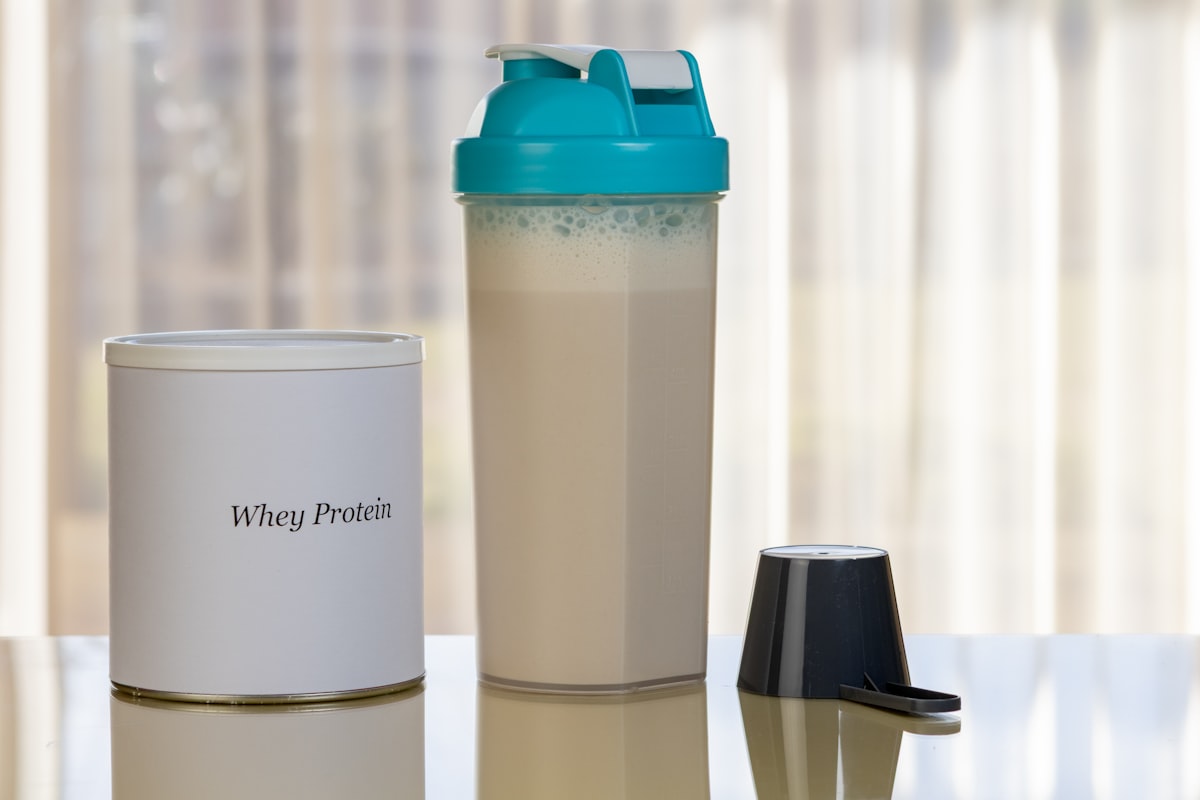
Understanding Protein Synthesis and Muscle Growth
Explore the biochemistry behind muscle protein synthesis and how amino acids trigger anabolic responses. Learn the science supporting protein supplementation timing and dosing strategies.
Read Article →
Decoding Supplement Labels: What to Look For
Master reading supplement labels to identify quality products. Understand amino acid profiles, serving sizes, and how to spot misleading marketing claims in protein supplement packaging.
Discover More →
Integrating Supplements Into Daily Nutrition Plans
Learn strategies for incorporating protein supplements into balanced daily nutrition. Explore meal timing, macronutrient balance, and how to use supplements to bridge gaps in whole-food protein intake.
Learn More →